Quick Recipe Finder is a participant in the Amazon Services LLC Associates Program. If you buy through links on this page we may earn a commission, at no extra cost to you. Cooking times are guidance and vary by appliance. Always confirm doneness with a thermometer against USDA safe minimum internal temperatures.
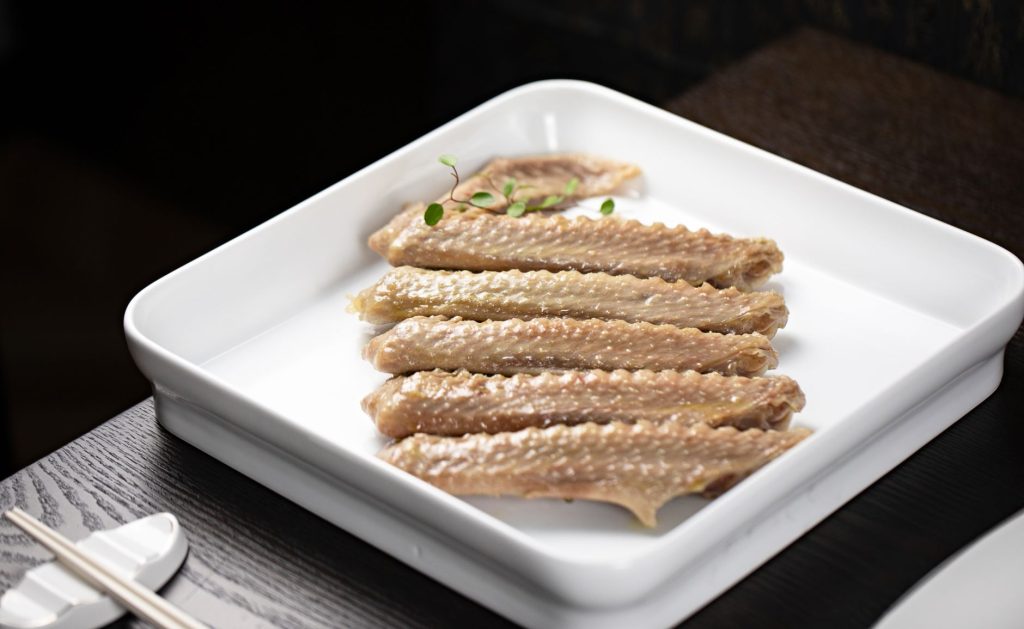
Pressure cooking chicken wings gets you cooked-through meat fast, but it also steams the skin, so a pale, soft-skinned wing straight out of the pot is normal, not a mistake. The fix is a short broiler finish after cooking. How long the pressure cook step itself takes depends heavily on whether the wings are fresh or frozen, and whether they’re separated into drumettes and flats or still whole.
Quick answer: Fresh wings need about 8 to 12 minutes at high pressure; frozen wings need 12 to 18 minutes. Use at least 1 cup of liquid, release quickly, then broil 4 to 8 minutes to crisp the skin. Always confirm 165F internal temperature with a thermometer before serving.
| Wing State | Pressure Cook Time (High) | Liquid Needed | Release Method | Broiler Finish |
|---|---|---|---|---|
| Fresh, separated (drumettes & flats) | 8 to 10 minutes | 1 cup | Quick release | 4 to 6 minutes per side |
| Fresh, whole wings | 10 to 12 minutes | 1 cup | Quick release | 5 to 7 minutes per side |
| Frozen, separated (not clumped) | 12 to 14 minutes | 1 cup | Quick release | 5 to 7 minutes per side |
| Frozen, whole wings | 14 to 16 minutes | 1 cup | Quick release | 6 to 8 minutes per side |
| Frozen in a solid block | 16 to 18 minutes | 1 to 1.5 cups | Quick release | 6 to 8 minutes per side |
These are starting points, not guarantees. Pressure cooker models vary in how quickly they build pressure and how evenly they heat, so treat the chart as a range to plan around and confirm doneness with a thermometer rather than the clock.
How Long to Pressure Cook Chicken Wings, Fresh vs Frozen
The split between fresh and frozen is the single biggest variable here. Frozen wings start several degrees below freezing in the center, so the pressure cooker spends extra time just bringing them up to a safe temperature before the meat actually starts cooking through. That’s why frozen times run 4 to 8 minutes longer than fresh, depending on whether the wings are separated or still fused into a block.
If the wings are frozen into one solid clump straight from the bag, budget for the longer end of the range, or run a short defrost cycle first if your model supports one. A block of frozen wings heats unevenly in the center compared to pieces that are loose and spread out, which is part of why a solid block needs both more time and slightly more liquid.
For a cut-by-cut breakdown on other frozen poultry, see How Long to Pressure Cook Frozen Chicken (By Cut & Weight). If you’re working with thighs instead of wings, the timing logic is different enough to warrant its own chart, which you can find in How Long to Pressure Cook Chicken Thighs (Time Chart).
Minimum Liquid Required
Electric pressure cookers need a minimum amount of liquid to reach and hold pressure, because the steam that builds pressure comes from that liquid boiling. Most countertop models call for at least 1 cup, though some manufacturers specify slightly different minimums, so check your appliance’s manual if you’re unsure. Going below the stated minimum is one of the most common reasons a pressure cooker throws a “burn” warning or fails to pressurize at all.
Chicken wings release some of their own moisture as they cook, which helps, but that moisture isn’t present at the very start of the cycle, so you still need the full minimum liquid in the pot before you seal the lid. Water, broth, or a thin sauce all work for this purpose. A thick sauce or marinade alone usually isn’t enough liquid or isn’t thin enough to generate steam efficiently, so it’s safer to add it after pressure cooking rather than relying on it as the cooking liquid.
Why the Broiler Finish Matters for Crisp Skin
Pressure cooking is a moist-heat method. The sealed environment traps steam, and that steam keeps the skin soft no matter how long the wings cook, because skin only crisps through direct, dry, high heat. This is the tradeoff: pressure cooking wins on speed and consistent doneness, but it can’t crisp skin on its own.
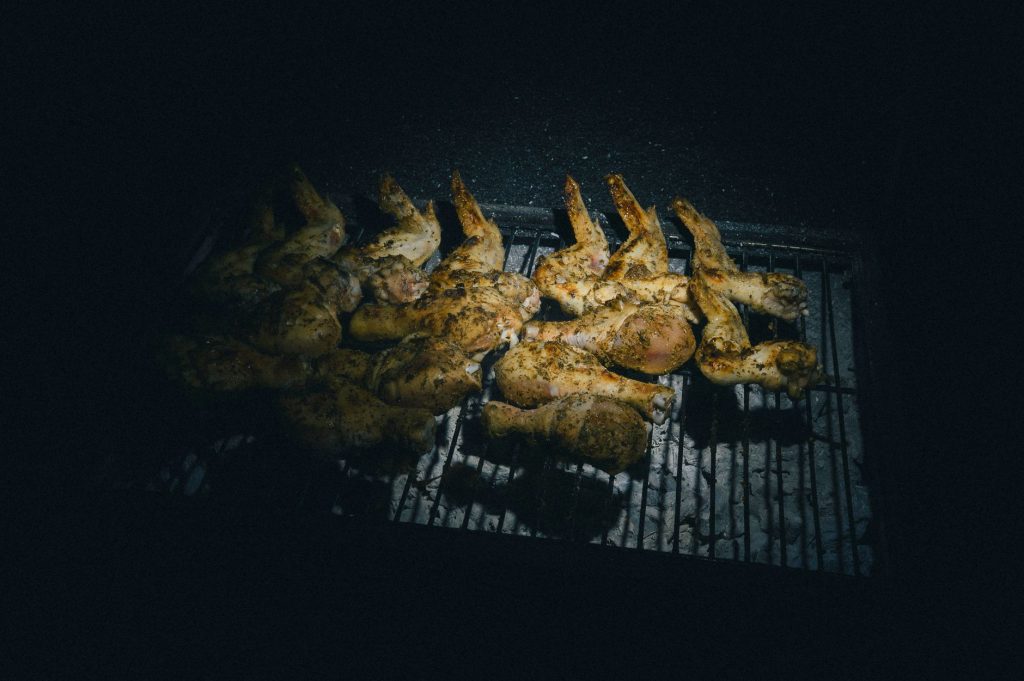
The fix is a short pass under the broiler or in an air fryer basket after the pressure cook step. Pat the wings dry first since any surface moisture will produce steam instead of browning. Arrange them on a rack set over a sheet pan so air and heat can reach the underside, not just the top, and flip them halfway through. A wire rack and sheet pan set makes this step easier because it keeps the wings elevated instead of sitting in their own rendered fat.
Broiler strength varies a lot between ovens, so watch the wings rather than trusting a timer here. Four minutes under a strong broiler can brown skin as effectively as eight minutes under a weak one.
What Changes the Number
Size and wing count
Larger wings and a fully loaded pot both slow down how fast the center reaches a safe temperature. A single layer of smaller wings will generally finish nearer the low end of the range; a packed pot of large wings will run closer to the high end.
Bone-in, whole, or separated
Whole wings (drumette, flat, and tip still connected) are thicker through the joint than separated pieces, so they need a few extra minutes compared to drumettes and flats cooked apart.
Starting temperature
Partially thawed wings behave somewhere between the fresh and frozen numbers in the chart. If you’re not sure whether a batch is fully frozen or just very cold, lean toward the longer time and verify with a thermometer rather than guessing.
Appliance model
Pressurization speed and sealing performance differ across brands and even across models from the same brand. Two pressure cookers set to the same time and pressure level won’t always produce identical results, which is exactly why the thermometer check matters more than the timer.
Common Mistakes
- Skipping the liquid minimum. Too little liquid can prevent the pot from building pressure at all, or trigger a safety shutoff mid-cook.
- Skipping the broiler step and expecting crisp skin. Pressure cooking alone cannot brown or crisp skin; that requires a separate dry-heat finish.
- Broiling wet wings. Surface moisture turns to steam under the broiler instead of letting the skin brown, so pat wings dry first.
- Trusting time over temperature. Wing size, bone-in status, and how full the pot is all shift the real cook time, so a thermometer reading is the only reliable confirmation.
- Crowding the broiler pan. Wings touching each other steam instead of crisp; leave space between pieces.
FAQ
Do I need to thaw chicken wings before pressure cooking?
No. Frozen wings can go directly into the pressure cooker; they just need roughly 4 to 8 more minutes than fresh wings, depending on whether they’re separated or in a block, as shown in the chart above.
For a deeper look at frozen poultry timing generally, see How Long to Pressure Cook Frozen Chicken.
Why are my pressure cooked wings soggy?
This is expected, not a failure. Pressure cooking is a moist-heat method, so the skin stays soft regardless of cook time. A broiler or air fryer finish afterward is what produces crisp skin.
What temperature should chicken wings reach to be safe?
The USDA safe minimum internal temperature for poultry is 165F, measured at the thickest part of the meat away from the bone. Check this with an instant-read meat thermometer rather than relying on cook time alone, since appliance behavior and wing size both affect how long it actually takes to reach that number.
Can I use broth instead of water in the pressure cooker?
Yes. Broth works the same way water does for building pressure and adds flavor to the meat as it cooks. Just make sure you’re still meeting your appliance’s minimum liquid requirement, generally around 1 cup for most countertop models.
Practical Recommendation
Start at the low end of the range for your wing type, use at least 1 cup of liquid, and plan on a few extra minutes under the broiler to get the skin you actually want. Confirm 165F with a thermometer before serving rather than trusting the clock, since wing size and appliance differences can shift the real number either direction. If you’re meal prepping a batch ahead of time, check How Long Does Meal Prep Last in the Fridge? for safe storage windows once the wings are cooked and cooled.