Simple, Budget-Friendly Meal Prep for Weight Loss — Perfect for Beginners
Meal prepping is one of the easiest ways to make steady progress toward weight loss and healthier eating—especially if you’re just getting started. This guide walks you through straightforward, budget-conscious meal prep ideas that are quick to follow. With a little planning, you can cut cooking time, reduce weekday decision fatigue, and have nourishing meals ready when you need them.
Many people fall off track because life gets busy or fast food feels easier. Adopting simple meal-prep habits helps you skip those traps and enjoy homemade meals that support your goals. Below, you’ll find the benefits of meal prep, must-have tools for beginners, inexpensive recipes, and tips to adapt meals to your needs.
Because everyone’s health, schedule, and budget are different, effective meal planning should be practical and personalized.
Affordable, Personalized Meal Planning That Fits Your Life
Creating healthy meal plans isn’t always straightforward—you need to weigh health issues, nutrition needs, tastes, finances, and time. That’s why approachable, affordable, and flexible meal planning matters: it helps people choose foods that actually work for their lives and preferences.
Personalized flexible meal planning for individuals with diet-related health concerns: System design and feasibility validation study, M Amiri, 2023
How Does Healthy Meal Prep Help with Weight Loss and a Busy Schedule?
Meal prepping brings real benefits for anyone trying to lose weight while juggling a busy life. Preparing food ahead of time saves you minutes (or hours) during the week, lowers stress around mealtime, and makes it simpler to pick healthier options.
How Does Meal Prepping Save Time and Reduce Stress?
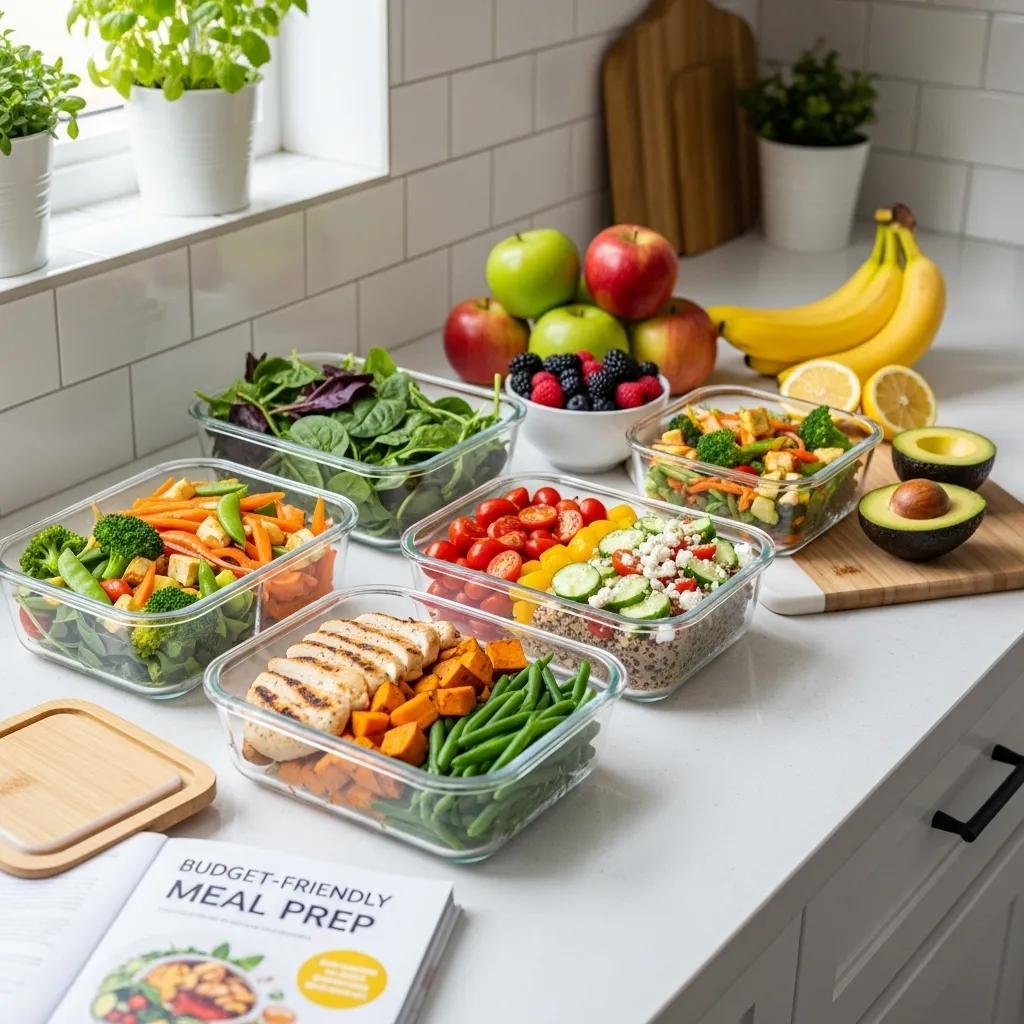
Meal prepping saves time by letting you batch-cook and organize ingredients before the workweek starts. Spend an hour or two on the weekend cooking grains, proteins, or roasted vegetables, and you’ll spend far less time in the kitchen on busy weeknights. Having ready-to-eat meals also removes the daily “what should I eat?” stress that so often leads to less healthy choices.
What Health Benefits Come from Consistent Meal Planning?
Planning meals consistently helps you balance nutrition and control portions. When you make your own meals, you decide the ingredients—so it’s easier to include more vegetables, whole grains, and lean proteins while cutting back on added sugars and unhealthy fats. Pre-portioned meals also make it simpler to avoid overeating and stick to your goals.
How Can Beginners Start Quick and Easy Healthy Meal Prep?
Which Tools and Ingredients Do Beginners Actually Need?
Starting meal prep doesn’t require a lot of gear—just a few reliable tools and pantry staples. Essentials include:
- Meal‑Prep Containers: Choose reusable, microwave- and dishwasher-safe containers for easy storage and reheating.
- Cutting Board & Sharp Knives: A sturdy cutting board and sharp knives speed up prep and make chopping safer.
- Simple Appliances: A slow cooker, rice cooker, or Instant Pot cuts hands-on time and makes batch cooking easier.
On the grocery side, keep staples like whole grains, lean proteins, fresh or frozen vegetables, and healthy fats on hand—these form the backbone of easy, balanced meals.
What Simple Step‑by‑Step Meal Prep Techniques Should Starters Follow?
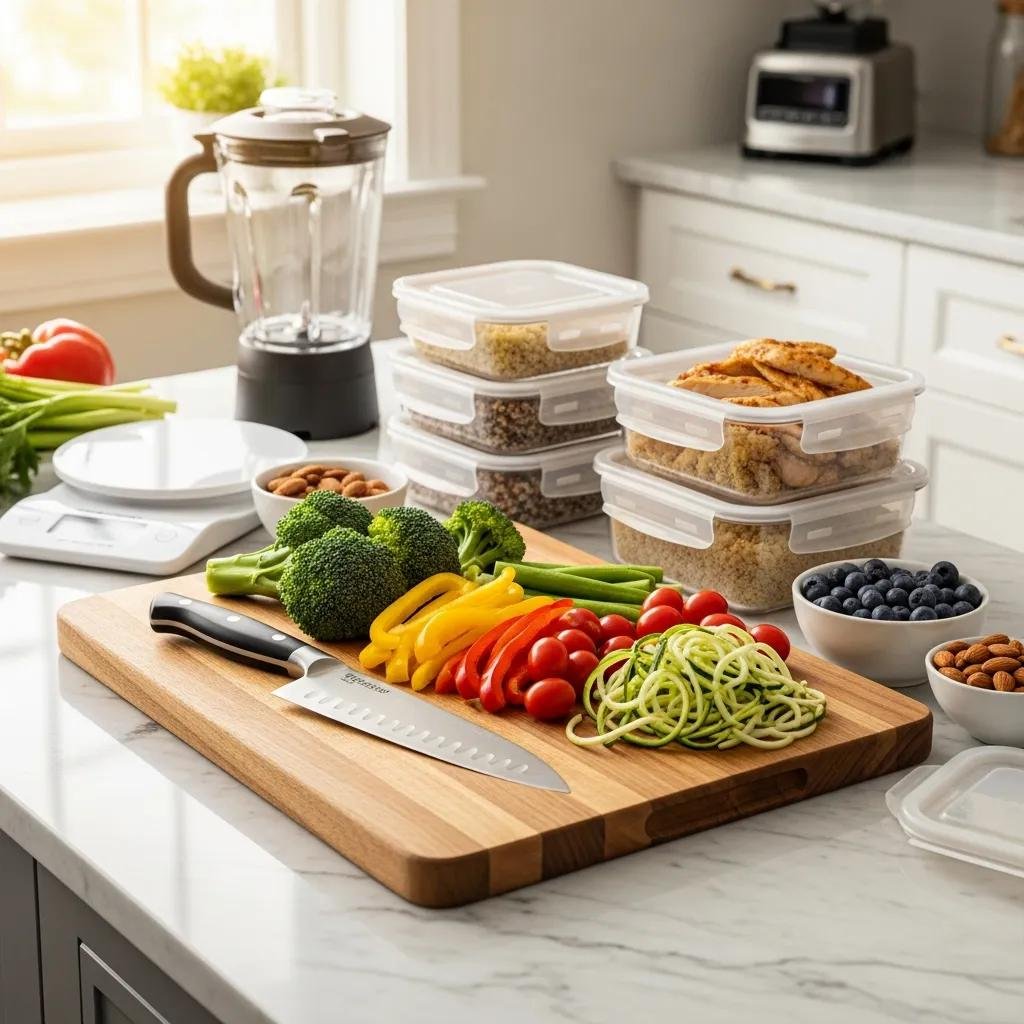
Try this basic routine to get started:
- Plan a Few Meals: Pick two to four easy recipes for the week that share ingredients to cut waste.
- Make a Shopping List: Shop from your plan and list so you avoid impulse buys.
- Batch Cook: Cook grains, proteins, and vegetables in larger quantities so you can mix and match them all week.
- Portion & Store: Divide meals into individual containers so breakfasts, lunches, or dinners are grab-and-go.
Which Budget‑Friendly Meal Prep Recipes Support Weight Loss?
Eating well doesn’t mean spending more. There are plenty of low-cost meal prep recipes that help with weight loss while still tasting great.
Finding ways to eat nutritious meals without overspending is a common priority—especially when you’re new to meal prepping.
Budget-Friendly Meal Prep Tips for Busy Beginners
A practical guide for busy households, meal prep newcomers, and anyone looking to eat better without breaking the bank.
Set It and Forget It Slow Cooker Recipes: 101 Dump-and-Go Meals for Busy Families, Weight Loss, and Effortless Meal Prep on a Budget
What Affordable High‑Protein Meal Prep Ideas Work Well?

Protein helps you feel full, which makes it easier to lose weight. Try these wallet-friendly, high-protein options:
- Chickpea Salad: Toss canned chickpeas with chopped veggies and a light dressing for a quick, protein-rich lunch.
- Egg Muffins: Mix eggs with spinach, tomatoes, and a little cheese, then bake in muffin tins for easy breakfasts.
- Quinoa Bowls: Cook quinoa and top it with black beans, corn, and avocado for a satisfying, balanced meal.
Each of these is cheap to make in bulk and easy to portion for the week.
How Do You Prep Cost‑Effective Vegetarian and Vegan Meals?
Vegetarian and vegan meal prep can be inexpensive and nutritious. Try these ideas:
- Lentil Soup: Make a big pot of lentil soup, portion it, and freeze what you won’t eat right away.
- Vegetable Stir‑Fry: Use seasonal vegetables with tofu or tempeh over rice or noodles for a fast, affordable meal.
- Overnight Oats: Layer oats with plant milk and toppings in jars for an easy, portable breakfast.
These options are budget-friendly and packed with nutrients to support your goals.
What Are the Best Meal Prep Ideas for Breakfast, Lunch, and Dinner?
Which Breakfast Meal Prep Recipes Are Fast and Nutritious?
Simple breakfast ideas that store well and fuel your morning include:
- Smoothie Packs: Freeze pre-portioned fruit and greens so you can blend a healthy smoothie in minutes.
- Chia Seed Pudding: Mix chia seeds with almond milk and refrigerate overnight for a filling breakfast.
- Oatmeal Jars: Prepare single-serving oatmeal jars topped with nuts and fruit for quick mornings.
These make it easy to start your day without skipping nutrition.
What Balanced, Flavorful Lunch and Dinner Options Should You Prep?
For lunch and dinner, aim for a mix of protein, veggies, and whole grains. Try these meal-prep-friendly choices:
- Grilled Chicken & Veggies: Marinate chicken breasts and grill with seasonal vegetables for a simple, balanced meal.
- Stuffed Peppers: Fill bell peppers with quinoa, beans, and spices for a hearty, reheatable dinner.
- Pasta Salad: Toss whole‑grain pasta with vegetables, olives, and a light dressing for a refreshing meal.
These dishes reheat well and deliver the nutrients you need.
How Do You Customize Meal Prep for Specific Goals and Preferences?
What Strategies Work Best for Vegetarian and Vegan Meal Prep?
If you follow a vegetarian or vegan diet, use these strategies:
- Prioritize Plant Proteins: Build meals around beans, lentils, and tofu to meet protein needs.
- Choose Whole Foods: Focus on whole grains, fruits, and vegetables to keep meals balanced.
- Play with Seasonings: Use herbs and spices to boost flavor without adding extra calories.
These tips help you create satisfying meals that match your preferences.
How Can You Adapt Meals for Low‑Carb, High‑Protein Needs?
To tailor meal prep for lower carbs and higher protein, try these swaps:
- Zucchini Noodles: Use spiralized zucchini instead of pasta for fewer carbs.
- Cauliflower Rice: Swap grains for cauliflower rice in stir‑fries or bowls.
- Lean Proteins: Choose lean meats like turkey or chicken breast to increase protein while keeping calories in check.
These swaps let you enjoy tasty meals that align with low‑carb or high‑protein goals.
What Tips Help Ensure Safe, Successful Meal Prep Every Time?
How Should You Store and Reheat Meal Prep Safely?
Food safety matters. Follow these simple steps:
- Use Airtight Containers: Store meals in sealed containers to keep food fresh and prevent contamination.
- Label & Date: Mark when each meal was made so you know what to eat first.
- Reheat to a Safe Temperature: When reheating, make sure food reaches 165°F (74°C) to eliminate harmful bacteria.
These practices help preserve quality and keep you safe.
What Flavor Twists and Ingredient Swaps Keep Meals Interesting?
To avoid boredom, switch up flavors and ingredients regularly:
- Try Different Herbs: Swap basil for cilantro or dill to change a dish’s profile.
- Mix Up Sauces: Rotate dressings—tahini, salsa, or pesto can transform the same base ingredients.
- Substitute Smartly: Swap proteins or grains based on what’s on sale or what you already have to create new combinations.
Small changes like these make weekly meal prep feel fresh and enjoyable.