Quick Recipe Finder is a participant in the Amazon Services LLC Associates Program. If you buy through links on this page we may earn a commission, at no extra cost to you. Cooking times are guidance and vary by appliance. Always confirm doneness with a thermometer against USDA safe minimum internal temperatures.
Cream cheese icing is soft, high in fat, and loaded with butter and dairy, which makes it a reasonable candidate for the freezer compared to meringue-based frostings. But whether it comes out smooth or grainy depends almost entirely on how you freeze it and how you bring it back.
Quick answer: Yes, you can freeze cream cheese icing for about 2 to 3 months, either on its own or already spread on cake or cupcakes. Thaw it in the fridge overnight, then re-whip it for 1 to 2 minutes to restore a spreadable texture before serving.
| Form | Best Container | Freezer Life | Fridge Thaw Time | Re-Whip Needed? |
|---|---|---|---|---|
| Plain icing, piped swirls on a tray | Freeze flat first, then transfer to a freezer bag | 2 to 3 months | 4 to 6 hours | Yes, 1 to 2 minutes |
| Plain icing, solid block | Airtight container, plastic wrap pressed on surface | 2 to 3 months | 8 to 12 hours (overnight) | Yes, 2 to 3 minutes |
| Whole frosted cake | Freeze uncovered 1 hour, then wrap tightly and bag or box | 1 to 2 months | Overnight in fridge, 1 to 2 hours more at room temp | Usually just a light smoothing pass |
| Frosted cupcakes | Freeze unwrapped 1 hour, then individually wrap or box in a single layer | 1 to 2 months | 3 to 5 hours | Often none, a quick touch-up if needed |
| Frosted cake slices | Airtight container, parchment between layers | 1 to 2 months | 3 to 4 hours | Light smoothing with a knife |
Can You Freeze Cream Cheese Icing? What Actually Happens
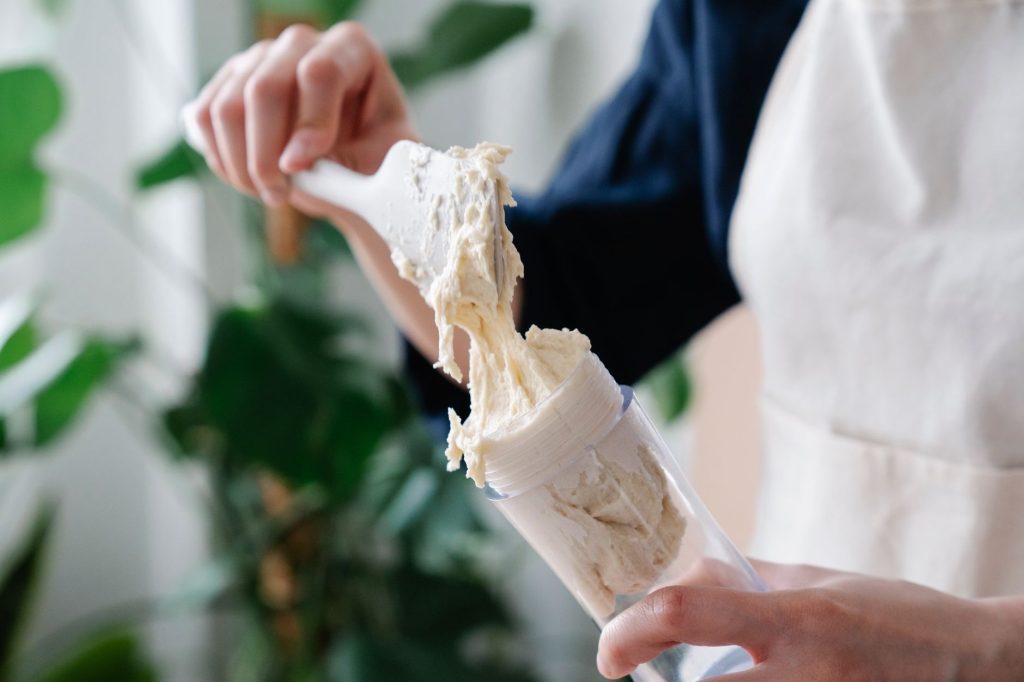
Cream cheese icing freezes reasonably well because the fat content from the butter and cream cheese keeps ice crystals relatively small. What it cannot survive well is a long, slow thaw at room temperature, or a thaw-refreeze cycle, both of which tend to separate the water from the fat and leave the icing looking curdled or weepy. The fix at that point is almost always mechanical: a short re-whip pulls it back together more often than not.
The texture risk is lower when the icing is frozen alone in a dense mass or piped portions, and slightly higher once it is spread thin over cake, since a thin layer has more surface area exposed to air and temperature swings inside a standard freezer.
Freezing Plain Icing vs a Frosted Cake
Freezing the Icing Alone
Pipe or scoop portions onto a parchment-lined tray, freeze until firm (an hour or two), then transfer the frozen pieces into a freezer bag with the air pressed out. This keeps portions separate so you can thaw only what you need. For a solid block, press plastic wrap directly onto the surface of the icing before sealing the container, which limits the air contact that causes freezer burn and off flavors.
A set of rigid freezer-safe containers with locking lids is worth having on hand for this kind of job, since they protect the icing better than a bag alone when it is still soft. See freezer-safe containers on Amazon.
Freezing a Frosted Cake or Cupcakes
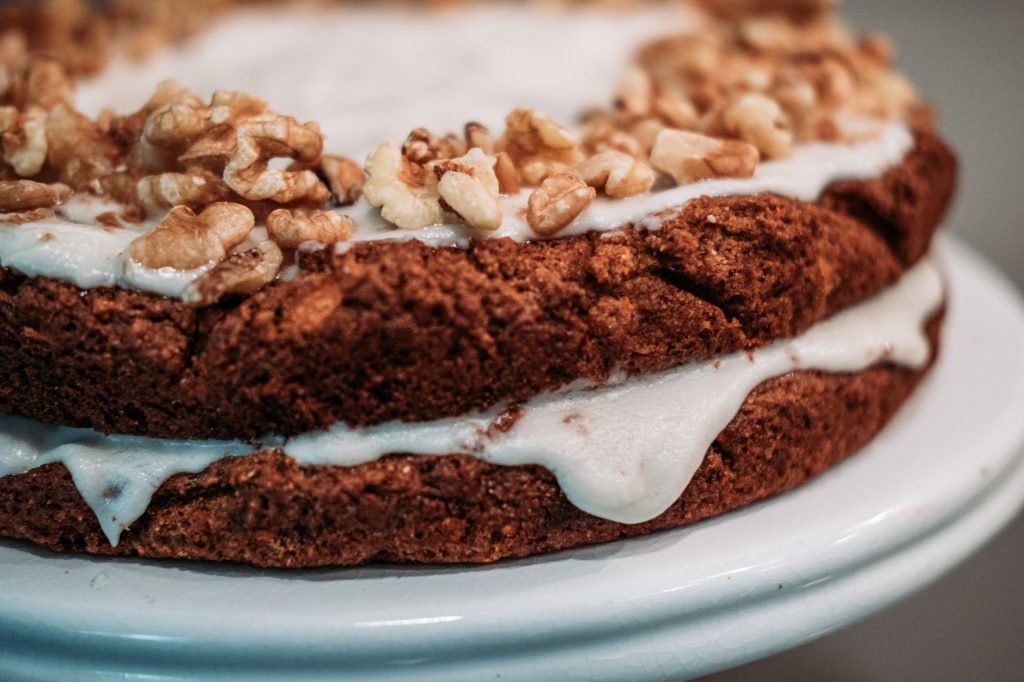
Open-freeze the frosted item uncovered for about an hour so the icing firms into a shell. This step matters: if you skip it and wrap immediately, the wrap presses into the soft icing and smears the surface. Once firm, wrap the cake tightly in plastic wrap, then a layer of foil or a freezer bag, and label it with the date. Cupcakes can go into a single-layer airtight box after the same open-freeze step, which keeps the swirls intact.
How to Thaw and Re-Whip Cream Cheese Icing
Move frozen icing or frosted baked goods to the fridge rather than the counter. A slow, cold thaw is the single biggest factor in whether the icing comes back smooth. Plan for roughly 4 to 6 hours for small piped portions, and closer to overnight for a solid block or a fully frosted cake, then confirm it is soft enough to work with rather than going by the clock alone.
Once thawed, bring the icing to room temperature for 15 to 20 minutes, then beat it with a hand or stand mixer for 1 to 2 minutes on low to medium speed. This redistributes the fat and water that may have separated slightly during freezing and restores a spreadable consistency. If it still looks loose or slightly grainy after whipping, a tablespoon of sifted powdered sugar or a few minutes in the fridge to firm back up can help, depending on how it behaves.
A compact hand mixer is the easiest tool for this step since whisking by hand rarely fully re-emulsifies a separated frosting. See hand mixers on Amazon.
What Changes the Number
- Fat ratio in the recipe: icing with a higher butter-to-cream-cheese ratio tends to hold texture slightly better through freezing than a softer, cream-cheese-heavy version.
- Layer thickness: a thin layer on cupcakes thaws and is affected by air exposure faster than a thick block of plain icing.
- Container seal: any gap for air lets frost form on the surface, which shows up as small ice crystals and a slightly wet texture on thawing.
- Freezer temperature consistency: a freezer that is opened often or runs a self-defrost cycle can cause more texture drift than a stable chest freezer, and this varies by appliance model.
- Add-ins: icing with fruit purees, citrus zest, or other moisture-heavy mix-ins separates more readily than plain cream cheese icing.
Common Mistakes
- Thawing on the counter. Room-temperature thawing speeds separation and also lets the icing sit in the food safety danger zone longer than it should, since cream cheese based products are a dairy item.
- Skipping the open-freeze step on frosted items. Wrapping while the icing is still soft smears the surface and can pull icing off the cake entirely.
- Refreezing after a full thaw. Each freeze-thaw cycle degrades the texture further and increases the risk of a grainy or watery result that re-whipping cannot fully fix.
- Using a thin bag instead of a rigid container for a soft block. The icing can shift and squeeze out air pockets, leading to more surface freezer burn.
FAQ
Does cream cheese icing separate when frozen?
It can, especially after a slow thaw or more than one freeze-thaw cycle. A short re-whip after thawing usually brings a separated icing back to a workable, spreadable texture.
How long does cream cheese icing last in the freezer?
Plain icing holds up well for about 2 to 3 months in an airtight container. Once it is on a cake or cupcakes, plan closer to 1 to 2 months for the best texture, since the thinner layer is more exposed to temperature shifts.
Can you freeze a whole cake with cream cheese frosting already on it?
Yes. Open-freeze it uncovered for about an hour so the icing firms into a shell, then wrap it tightly in plastic and foil or a freezer bag before storing it for up to about 2 months.
Do you need to re-whip cream cheese icing after freezing?
Usually yes for icing frozen on its own, since the texture firms up and can look slightly separated after a cold thaw. Icing already spread on a cake or cupcakes often just needs a light smoothing pass with a knife or offset spatula rather than a full re-whip.
Bottom Line
Freeze cream cheese icing in a sealed, airtight container or bag, keep the freezer stint to around 2 to 3 months for plain icing and closer to 1 to 2 months once it is on baked goods, and always thaw it in the fridge rather than on the counter. A quick re-whip after thawing handles most of the texture changes freezing causes. For more on how dairy-based items hold up in the freezer, see Can You Freeze Cheese? Freezability Grid by Type & Format and Can You Freeze Chicken Salad? What Freezes and What Splits for another look at how creamy, mixed textures behave in cold storage.